

She thought she was fulfilling her desires but th!ngs took a turn “…
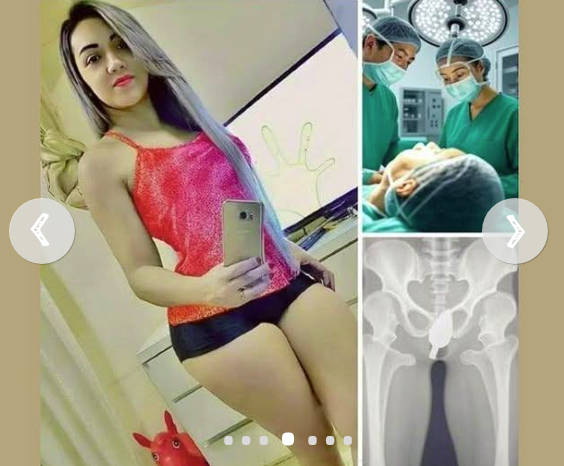
She thought she was fulfilling her desires but th!ngs took a turn “…
What began as a perfectly normal day for one teenage girl quickly turned into a terrifying ordeal her family never could have imagined. According to early reports, the girl — whose identity is being withheld — had tried a new challenge sweeping TikTok, Instagram, and YouTube. The clips she watched made it look harmless: upbeat music, laughing teens, influencers doing risky stunts but treating them like fun little games. Millions of views, endless likes, thousands of comments cheering people on. Exactly the kind of trend a teenager would jump into without hesitation.
After watching several videos and seeing others complete the challenge safely, she assumed nothing could go wrong. It didn’t look dangerous — just another online fad. But within minutes of trying it herself, everything changed. Her chest tightened. Her breathing grew shallow. The room began spinning. The challenge involved sudden physical strain and temporary breath restriction — something she hadn’t fully understood. Her family heard her gasping, rushed to her room, and realized instantly that this was an emergency.
Paramedics arrived in time. Doctors acted quickly and stabilized her before her condition became fatal. She made it. But the medical team didn’t sugarcoat the truth afterward: if help had been delayed even a few more minutes, the outcome could have been tragic. Her symptoms were a direct result of the challenge — a trend created for shock value and views, not safety.
Sadly, her case is not unusual. Hospitals around the world are seeing a rise in injuries, poisonings, and severe medical crises caused by viral challenges. Some mimic dangerous stunts. Some involve consuming harmful substances. Others restrict breathing or push the body to extremes. They’re advertised online as harmless entertainment — but many are anything but harmless.
Pediatric emergency physician Dr. Marina K. explained it bluntly: “Every week we see new emergencies tied to online challenges. These videos don’t show context or real risks. Something that looks easy on camera can be incredibly dangerous in real life.” She isn’t exaggerating. ER data shows a consistent increase — and it isn’t slowing down.
Why teens? Why are they so vulnerable to these trends?
Because they’re wired to be. Their brains crave novelty, approval, and belonging. A viral challenge becomes a digital version of a dare — except instead of a few classmates watching, millions of strangers are. Social pressure, FOMO, curated perfection, and algorithm-driven hype all make risky trends look normal, even appealing. Teens see the attention others get, and their instinct is to join in before thinking through the consequences.
Child psychologist Dr. Lena Wu explained it simply: “Teens participate because they feel like they’re joining something bigger — a global moment. They don’t see the danger until they’re already in it.” Meanwhile, parents struggle to keep up. Trends appear overnight, spread in hours, and disappear just as fast. By the time many adults even notice a challenge exists, teens have already seen it dozens of times.
One mother whose daughter ended up hospitalized said she had “no idea” the challenge was even circulating. “I thought she was in her room doing homework. By the time I learned what it was, the videos already had millions of views.” That sense of helplessness is becoming more and more common.
Experts say the solution isn’t banning phones or lecturing — that only pushes teens deeper into secrecy. What works is honest conversation, education, and trust. Teens respond when they feel respected, not criticized. The goal isn’t to scare them away from social media entirely. It’s to teach them to recognize red flags and think before they participate.
But responsibility doesn’t end with families.
Platforms themselves are part of the problem. Algorithms boost engagement, not safety. If a trend goes viral — dangerous or not — the system pushes it harder. Moderation lags behind. Harmful videos can spread far before platforms step in. Some companies are improving, adding warning labels or reducing distribution of risky content, but the pace is nowhere near fast enough.
Influencers carry weight too. With huge teen audiences, one reckless video can trigger thousands of copycat attempts. Digital safety advocate James Nolan was blunt: “Having followers comes with responsibility. Being entertaining doesn’t excuse encouraging dangerous behavior.” He’s right. Online fame should not overshadow basic accountability.
The long-term answer is digital literacy — real education about how online platforms work. Teens need to understand algorithmic pressure, staged content, editing tricks, and the difference between skill and risk. Many schools are beginning to introduce digital wellness programs that teach critical thinking, emotional awareness, and online responsibility. The more teens understand what’s happening behind the scenes, the less likely they are to fall for harmful trends.
This teen’s close call should be a warning to everyone. Her family acted fast. Paramedics got there in time. She survived. But many haven’t been as fortunate. Several viral challenges around the world have already resulted in severe injuries and even deaths.
Her story is both a reminder and a wake-up call. In a world where viral content spreads faster than common sense, awareness is protection. Parents, teachers, influencers, and tech companies all share the responsibility of creating a safer digital environment for young people. Creativity shouldn’t require hospitalization. Fun shouldn’t come with life-threatening risks.
She was lucky. Others may not be.
Before any young person hits “record” or decides to try the next viral trend, one truth needs to be clear:
No video, no challenge, no online attention is worth risking your life.
Her experience shines a light on what matters most: awareness, conversation, and the courage to step away fro
One Comment on “She thought she was fulfilling her desires but th!ngs took a turn “…”