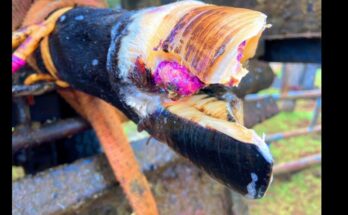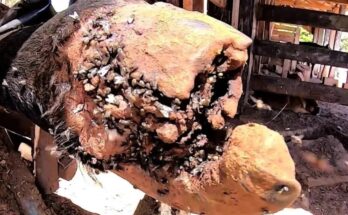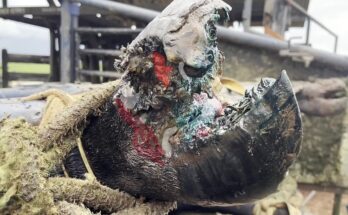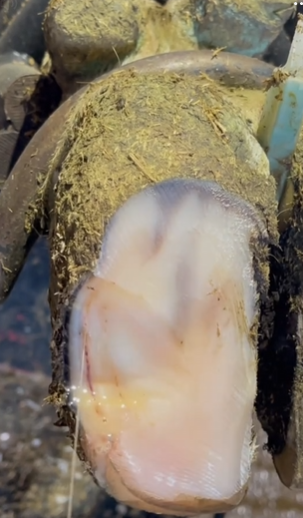
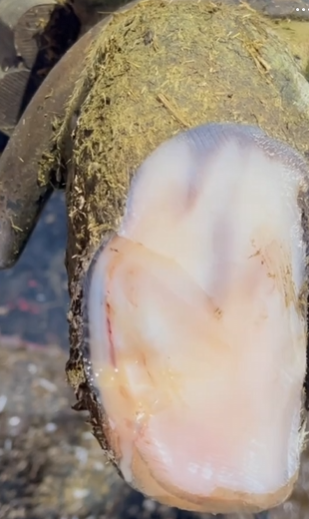
It sounds like you’re describing a hoof abscess or infection caused by a stone bruise or trapped rock in a horse’s hoof. Here’s a breakdown of what’s going on and what to do:
Take it all at once…
🐴 Common Cause
- Small rocks or debris can get wedged into the frog cleft, white line, or sole of the hoof.
- This can cause bruising or an infection if bacteria enter through a crack or puncture wound.
- The result: pain, heat, swelling, and lameness**—sometimes suddenly severe.
⚠️ Signs of Infection
- The horse is **suddenly very lame, sometimes reluctant to bear weight.
- The hoof may feel warm to the touch.
- Digital pulse in the affected leg is stronger/throbbing.
- You might see black, foul-smelling discharge if the abscess has burst.
- Sometimes there’s visible swelling up the pastern or fetlock.
🧼 Cleaning and Immediate Care
- Secure the horse safely.
- Clean the hoof thoroughly:
- Use a hoof pick and stiff brush to remove mud and debris.
- Inspect the sole, frog, and white line for trapped stones, punctures, or cracks.
- If you see a rock lodged in the hoof, gently remove it.
- Soak the hoof in warm Epsom salt water (about 15–20 minutes) to draw out infection and soften the sole.
- Dry the hoof and apply a drawing poultice (e.g., Animalintex or ichthammol) to help draw out the abscess.
- Wrap the hoof with a clean bandage or duct-taped diaper to keep it clean.
🩺 When to Call the Vet or Farrier
- The horse is severely lame or non–weight-bearing.
- There’s no improvement after 24–48 hours of soaking and poulticing.
- You see a deep puncture wound (risk of deeper infection).
- You suspect white line disease or hoof wall separation.
- The infection tracks upward (swelling up the leg).
A vet or farrier can safely pare out the abscess or drain it if necessary and may prescribe antibiotics or anti-inflammatories.
🧩 Prevention Tips
- Pick hooves daily to remove small stones and mud.
- Ensure footing in paddocks/stalls is clean and dry.
- Schedule regular farrier visits (every 6–8 weeks).
- Check for hoof wall cracks or white line separation that could trap debris.
Would you like me to show you step-by-step images of cleaning and poulticing a hoof with an abscess?