
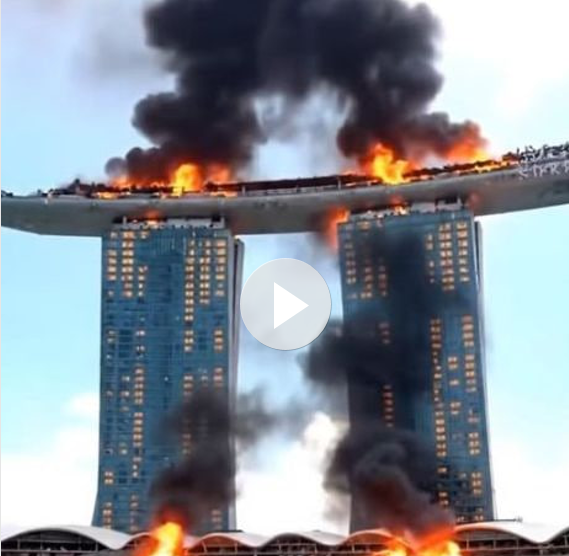
BREAKING NEWSJust hours ago, a tremendous fire broke out in…See more
BREAKING NEWSJust hours ago, a tremendous fire broke out in…See more
BREAKING NEWSJust hours ago, a tremendous fire broke out in…See more
BREAKING NEWS: Just Hours Ago, a Tremendous Fire Broke Out in… The Devastating Reality of Wildfires in a Warming World
In an era where climate extremes dominate headlines, another major fire has captured global attention. Just hours ago, reports flooded in of a tremendous blaze erupting in a populated or ecologically sensitive area—echoing the rapid-onset wildfires plaguing regions like California this week.
While specific incidents vary (from the Sandy Fire scorching Simi Valley to blazes on Santa Rosa Island sparked by a flare), these events underscore a terrifying pattern: fires that explode with little warning, driven by wind, drought, and human factors. This deep dive explores the immediate chaos, science, human impact, and broader implications of such infernos.
The Initial Outbreak: Chaos in Real Time
Imagine the scene: dry brush crackling under intense sun, winds whipping embers into a frenzy. In Simi Valley, California, the Sandy Fire erupted Monday around 10:15 a.m., rapidly growing to over 1,600 acres by Tuesday, destroying at least one home and prompting multiple evacuation orders. Crews battled through the night as flames jumped containment lines. Similarly, on Santa Rosa Island in Channel Islands National Park, a sailor’s emergency flare after a boat crash ignited what became one of the state’s largest fires of the year, charring over 10,000–14,000 acres and threatening rare species like island foxes and Torrey pines.
Eyewitness accounts paint a visceral picture. Residents described “walls of flame” racing downslope, thick smoke choking the air for miles, and the eerie glow visible from highways. Firefighters, often working 24-48 hour shifts, deploy engines, air tankers dropping retardant, and helicopters bucketing water from nearby reservoirs. Containment remains low initially—5-10% in fast-moving blazes—as resources stretch thin across multiple incidents.
These “tremendous fires” often start small: a spark from equipment (like a tractor hitting rock), unattended campfire, power line, or, increasingly, arson or accidents. Dry vegetation from prolonged drought acts as perfect tinder. Santa Ana or Diablo winds then turn a spark into an inferno within minutes.
The Science Behind Explosive Fire Behavior
Wildfires are not random. They thrive under specific conditions: low humidity, high temperatures, abundant fuel, and wind. In 2026, experts warn this could shape up as one of the worst fire seasons globally, with millions of hectares already burned across Africa, Asia, South America, and North America even before peak summer.
Climate change amplifies everything. Warmer atmospheres hold more moisture, leading to wetter winters followed by drier summers that cure vegetation into flammable kindling. Extended drought periods, shifting jet streams, and more frequent heat domes create “fire weather” days that were once rare. In California alone, CAL FIRE tracks numerous incidents in 2026, with thousands of acres burned early in the season.
Fire dynamics follow physics: convection columns suck in oxygen, preheating ahead of the front; embers loft miles downwind, creating spot fires. In interface zones—where homes meet wilderness—structures become fuel. Modern homes with wooden decks, flammable roofs, or vegetation too close ignite easily, turning neighborhoods into firestorms.
Human and Environmental Toll
The immediate human cost is staggering. Evacuations displace families, sometimes with minutes’ notice. Pets, livestock, and heirlooms are lost. Smoke inhalation sends people to hospitals; stress exacerbates heart conditions. In deadly cases, like past high-rise or urban fires, dozens perish when escape routes are cut off.
Economically, damages run into billions. Insurance claims soar, premiums rise or policies are dropped in high-risk areas, forcing relocations. Firefighting costs alone drain budgets—millions per day for large incidents.
Ecologically, the impact is profound yet sometimes regenerative. Chaparral and certain forests evolved with fire; some seeds germinate only after heat. However, too-frequent burns, invasive species, and climate stress prevent recovery. On Santa Rosa Island, threats to endemic plants and animals could cause lasting biodiversity loss. Ash and runoff pollute waterways, harming fish and marine life. Carbon released accelerates global warming in a vicious feedback loop.
Heroes on the Front Lines
Firefighters embody courage. Wearing heavy gear in 100°F+ heat near flames, they create defensible space, backburn fuel, and protect lives. Volunteer departments in rural areas supplement professionals. Technology aids: drones for mapping, AI predicting spread, satellite infrared for hotspot detection.
Communities rally too—donating supplies, opening shelters, or helping neighbors. Social media spreads alerts faster than official channels, though misinformation (false evacuation maps, exaggerated death tolls) complicates response.
Prevention and the Path Forward
“An ounce of prevention” has never been more critical:
- Defensible Space: Clear 30-100 feet around homes of flammable material.
- Building Codes: Fire-resistant materials, ember-proof vents, metal roofs.
- Vegetation Management: Controlled burns reduce fuel loads but face regulatory and air-quality hurdles.
- Infrastructure: Bury power lines, upgrade grids against high winds.
- Personal Preparedness: Go-bags, evacuation plans, defensible space maintenance.
- Policy: Better forest management, addressing climate drivers through emissions reductions.
Prescribed burns and mechanical thinning show promise in places like the Sierra Nevada. Community programs educate on “Fire Wise” practices. Yet funding lags behind the escalating threat.
Broader Context: A Global Crisis
This isn’t isolated. 2026 has seen intense activity from Patagonia to Africa. Scientists link patterns to El Niño/La Niña cycles atop long-term warming. As populations expand into wildland-urban interfaces, exposure grows.
Psychologically, repeated disasters breed “solastalgia”—distress from environmental change. Children growing up with annual evacuations face anxiety. Economically vulnerable communities suffer most.
Hope Amid the Ashes
Despite devastation, resilience shines. Rebuilding stronger, reforestation with climate-adapted species, and innovation in detection (early-warning apps, community sensors) point forward. Public awareness grows—more people recognize fire as a natural process mismanaged by modernity.
For those affected right now: check official sources (CAL FIRE, local alerts), heed evacuation orders immediately, and support first responders. Donate blood, supplies, or funds through verified channels.
As flames rage and smoke plumes rise just hours after ignition, these events remind us of nature’s power and humanity’s fragility. They demand urgent action on climate, land use, and preparedness. The next “tremendous fire” is inevitable—but its impact depends on choices we make today.
In the aftermath, communities rebuild, ecosystems slowly green, and lessons harden resolve. Fire destroys, but it also clears the way for renewal—if we learn to live with it wisely.

2 Comments on “BREAKING NEWS: Just hours ago, a tremendous fire broke out in…”